In October 2025, six members of Femina ry’s team travelled to Latvia for an eight-day Erasmus+ training course hosted by SIA Mācību centrs “Komunālceltnieks” (KCMC), a vocational training centre with over 30 years of experience in adult education. The course was the core activity of our first Erasmus+ project, Women’s Leadership in Health & Safety Education (KA122-ADU).
Why we applied
Femina works with adult women, many of them from migrant, rural or otherwise underserved backgrounds. Three gaps had become obvious in our work: our leadership training did not cover occupational health and safety from a gender-sensitive angle; our digital tools were not strong enough to reach learners who cannot attend in person; and we had no European partners to learn from. The project was designed to close all three.
What the training covered
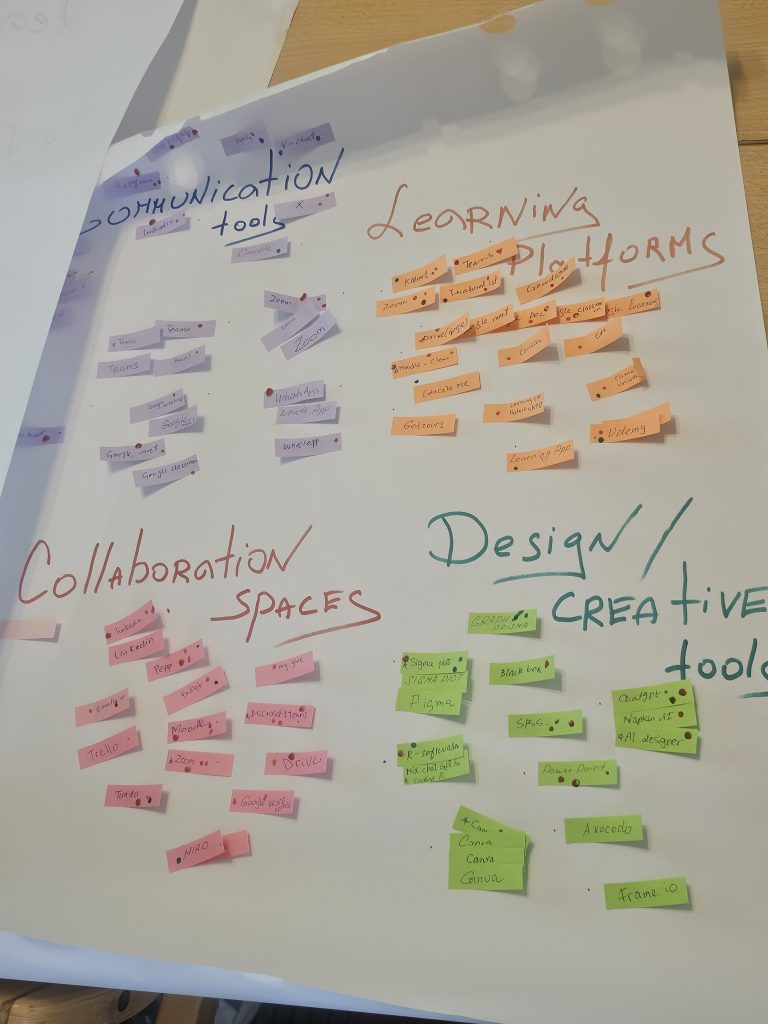
The programme in Latvia combined classroom sessions, practical work and study visits:
- Health and safety in leadership, gender-specific workplace risks and how to bring them into leadership education.
- Digital learning tools, building online modules that remain accessible to learners with limited digital skills.
- Safe and inclusive learning spaces, unconscious bias, accessible materials, participation of women from marginalised groups.
- Community-based safety training, designing safety education that reaches beyond the classroom.
- International cooperation, how organisations in different European countries approach the same problems.
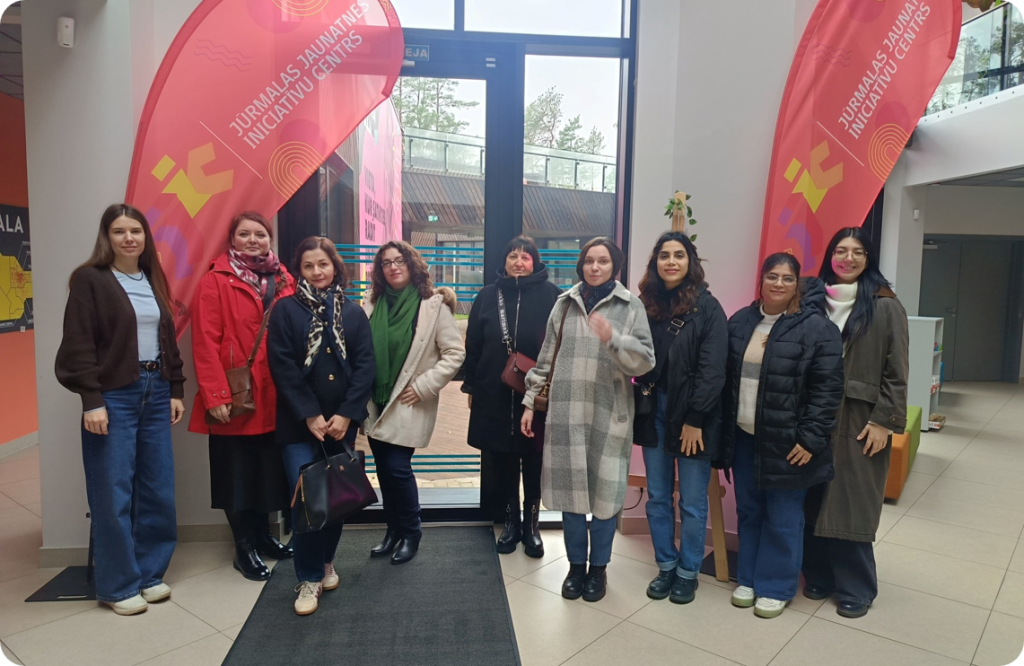
Study visits to FN-SERVISS, the Jūrmala Youth Initiatives Centre and the Jūrmala Welfare Administration showed how Latvian organisations run safety training, youth work and social services in practice.
What we brought home
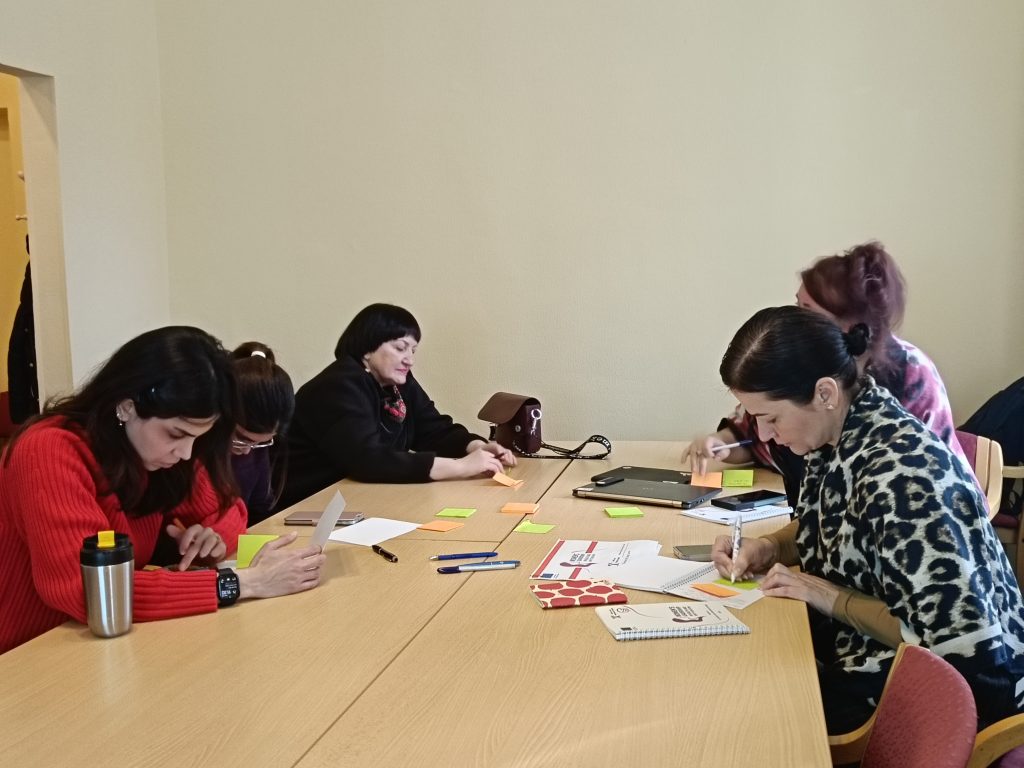
During the course, each participant developed four individual pilot learning projects and one joint project on community-based safety training. These pilots are now the basis for new material in Femina’s activities: gender-sensitive health and safety content in our leadership programmes, participatory and accessible methods in our workshops, and digital tools we use with learners who join remotely.
Just as important, the project gave Femina its first working relationship with a European host organisation. Cooperation with KCMC has continued after the mobility, and we are building on it in our next Erasmus+ steps.
What’s next
Over the coming weeks we will publish a short series on this site: the key lessons on gender-sensitive occupational safety, the five pilot projects and their authors, the digital tools we now use, what we saw during the study visits, and where the cooperation goes from here.

0 Comments